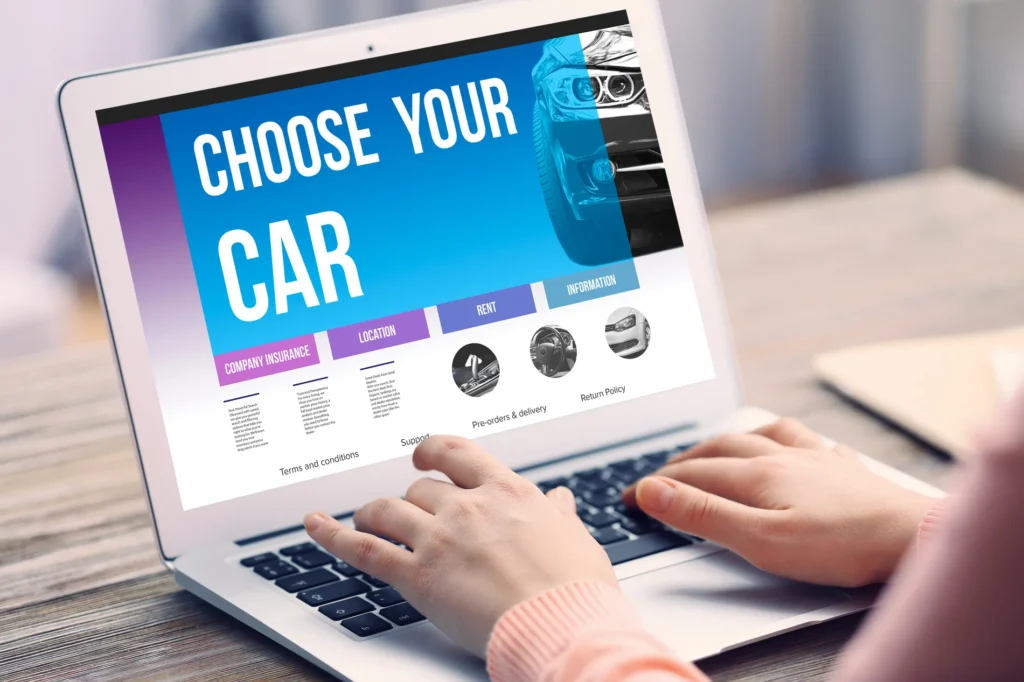
A car buyer’s journey begins well before they set foot in a dealership; the process starts online. As more consumers rely on search engines to research, compare, and locate vehicles, automotive SEO (Search Engine Optimization) has become essential for any dealership aiming to remain competitive. It’s not just about appearing in search results. It’s about appearing in the right searches, at the right time, with the right information. This guide explores how car dealerships and auto businesses can strategically use SEO to improve visibility, attract qualified traffic, and ultimately drive more conversions.
What is automotive seo?
Automotive SEO refers to the practice of optimizing your website and digital presence to ensure your dealership is discoverable in search engines like Google. Unlike generic SEO, this approach is tailored to the unique needs of the automotive industry, highlighting vehicle inventory, service departments, promotions, and more.
At its core, automotive SEO involves improving your website structure, content, and authority to ensure search engines understand your offerings. This includes targeting high-intent keywords, implementing structured data for vehicle listings, and optimizing for local search, crucial for attracting nearby customers. It’s not only about increasing traffic but ensuring the traffic you attract is relevant, likely to convert, and aligned with your business goals.
By aligning SEO strategies with your dealership’s objectives, automotive SEO can serve as a powerful long-term growth engine.
The need for automotive seo
The modern car-buying process is driven by digital behavior. Studies show that over 90% of buyers begin their journey online, using search engines to explore models, compare prices, read reviews, and locate dealerships. If your dealership doesn’t appear during these critical search moments, you risk losing potential customers to better-optimized competitors.
Traditional marketing methods, such as radio ads, print media, and billboards, still hold value, but they lack the precision and measurable impact of SEO. Automotive SEO allows you to target prospective customers based on their exact search intent, offering more efficient allocation of marketing resources and a higher return on investment.
In essence, SEO is not just a digital marketing tactic. It’s a foundational strategy for visibility and growth in an increasingly competitive and customer-driven marketplace.
What is seo for car dealerships and auto businesses?
SEO for car dealerships and auto businesses is a comprehensive approach that goes beyond keyword optimization. It’s about structuring your digital ecosystem (your website, Google Business Profile, online reviews, content, and even social media) in a way that builds authority and trust with both search engines and customers.
For dealerships, this often includes:
- Optimizing vehicle inventory pages to show up for specific make, model, and location-based searches.
- Creating service-specific content that targets maintenance-related searches (e.g., “brake repair in Cluj-Napoca”).
- Utilizing structured data (schema markup) to help Google understand vehicle listings.
- Ensuring fast, mobile-responsive website performance.
- Implementing a solid internal linking structure to enhance crawlability and user experience.
This approach increases organic traffic and improves conversion rates by delivering relevant content to users at each stage of the purchase journey, from initial research to post-sale service.
How to do keyword research for your car dealership
Effective SEO begins with understanding what your customers are searching for. Keyword research allows you to identify these terms and strategically integrate them into your content to capture intent-driven traffic.
Here’s how to approach it:
- Define your core offerings.
Start with broad categories: new cars, used cars, vehicle servicing, leasing options, trade-ins, etc. Each of these will have its own set of relevant keywords.
- Use keyword tools for data-driven insights.
Platforms like Google Keyword Planner, Ahrefs, SEMrush, or Ubersuggest provide data on search volume, competition level, and keyword variations. Focus on long-tail keywords (e.g., “used Toyota Corolla Bucharest”); they’re less competitive and more specific.
- Prioritize local intent.
Since most dealership visits are local, include geo-modifiers in your keyword strategy. “Electric cars in Timișoara” or “SUV lease deals Cluj” will help capture local leads.
- Address each stage of the customer journey:
- Awareness: “best family cars 2025,” “electric vs hybrid pros and cons”
- Consideration: “Toyota RAV4 vs Honda CR-V comparison”
- Decision: “Mazda dealership near me,” “Hyundai test drive appointment”
- Analyze your competition.
See which keywords competing dealerships rank for. Identify gaps you can target or areas where you can improve.
- Keep keyword mapping organized.
Assign keywords to specific pages: homepage, inventory pages, service pages, blog posts. Avoid cannibalizing rankings by targeting the same keyword across multiple pages.
- Evolve your keyword strategy.
Reassess regularly. Automotive search trends change with seasons, product launches, and economic shifts. Monitor performance and adapt accordingly.
Keyword research is the foundation of your SEO strategy. If it is done right, it guides your content, structure, and optimization efforts for months to come.
Automotive SEO tips and best practices
Once you have a keyword strategy, execution matters. These best practices can elevate your dealership’s visibility and engagement.
Maximize local seo opportunities
Local visibility is vital. Optimize your Google Business Profile with updated NAP (Name, Address, Phone) details, business categories, high-quality images, and up-to-date service information.
Ensure consistency across all online listings (Yelp, Facebook, local directories) and use location-based schema markup. Embed Google Maps on your contact page, and encourage satisfied customers to leave reviews. The goal: appear prominently in local map packs and “near me” searches.
Local link-building (e.g., sponsorships, partnerships with local organizations) can also reinforce your geographic relevance in search engines.
Effectively manage online reviews
Customer reviews influence both purchasing decisions and search engine rankings. Dealerships with frequent, authentic reviews tend to rank higher and gain more trust.
Develop a review generation strategy: send post-sale follow-up emails with direct review links, train sales staff to encourage feedback, and simplify the process for customers.
Respond to all reviews professionally, positive or negative. This shows responsiveness, builds credibility, and signals to Google that your business is engaged and customer-focused.
Build a strong backlink profile
Backlinks from credible sites act as endorsements of your dealership’s authority. Seek opportunities for backlinks from:
- Local news outlets covering events or promotions
- Automotive blogs and forums
- Manufacturer or affiliate websites
- Community partners and sponsorship pages
Create link-worthy content, such as vehicle buying guides, comparison tools, or maintenance checklists, and promote it through PR, social media, or local media.
Avoid low-quality link schemes. Focus on relevance, authority, and long-term relationship-building.
Ensure mobile-friendly website optimization
With mobile searches dominating the auto industry, a seamless mobile experience is non-negotiable. Google’s mobile-first indexing means your site’s mobile performance influences how it ranks.
Ensure fast page load speeds, intuitive navigation, responsive design, and easy-to-use inventory search filters. Avoid intrusive popups or complex forms. All calls to action, like booking a test drive, should be clearly visible and easy to tap.
Tools like Google’s Mobile-Friendly Test and PageSpeed Insights can guide your optimization efforts.
Track and analyze seo performance
Measuring SEO performance is crucial for continuous improvement. Set up Google Analytics and Google Search Console to monitor:
- Organic traffic trends
- Bounce rate and session duration
- Click-through rate (CTR) for search results
- Conversion actions (form fills, calls, bookings)
Identify which pages drive the most engagement and where visitors drop off. Use this data to refine content, improve UX, and focus resources where they’ll have the most impact.
Regular SEO audits can uncover issues like broken links, duplicate content, or crawl errors, fixing these enhances both user experience and search performance.
SEO vs. traditional marketing for car dealerships
Traditional marketing (TV, print, billboards) can be powerful for brand awareness but lacks precise targeting and measurement. SEO, on the other hand, offers:
- Targeted visibility: Appearing for specific, intent-driven searches
- Cost efficiency: Lower ongoing costs with long-term results
- Data-driven decisions: Measurable performance and insights
While traditional advertising plays a supporting role, SEO delivers sustainable growth by connecting your dealership with motivated buyers during critical decision-making moments.
Organic search vs. paid search for car dealerships
Organic and paid search each have their place in a balanced marketing strategy.
- Organic search builds authority and drives long-term traffic. It’s more trusted by users and doesn’t require ongoing ad spend, but it takes time to build.
- Paid search (Google Ads) delivers immediate visibility for specific offers, models, or time-sensitive campaigns. It’s ideal for competitive keywords or launching new promotions.
A hybrid strategy works best. Use paid search to support sales goals while building a strong organic presence that delivers consistent, compounding returns over time.
FAQs
Here are answers to some common questions around automotive SEO:
How long does car dealership SEO take?
Results typically begin to show within 3–6 months, with more significant gains occurring over 6–12 months.
How much does SEO for car dealerships cost?
The cost of SEO for car dealerships can vary widely depending on factors such as the size of the dealership, local competition, the scope of services provided, and the experience of the SEO provider. Some dealerships may require only basic local SEO, while others benefit from more comprehensive strategies, including content creation, link building, and technical optimization. Generally, prices reflect the level of effort and expertise required to achieve meaningful results in a competitive automotive market.
What are the common SEO mistakes made by car dealerships?
Keyword stuffing, outdated content, slow-loading pages, ignoring mobile optimization, and neglecting local SEO.
How often should I update my dealership’s website content?
Keep vehicle inventory current daily. Refresh service pages and blog content monthly to stay relevant.
Can social media influence my dealership’s SEO?
Indirectly, through increased visibility, engagement, and traffic that can enhance rankings.
Are videos important for automotive SEO?
Yes. Video content increases time on site and can appear in search results, particularly for vehicle reviews and walkarounds.
What is the impact of PPC on organic SEO for dealerships?
While PPC doesn’t directly affect organic rankings, it complements SEO by boosting brand exposure and traffic.
Conclusion
As the automotive landscape continues to evolve, SEO is no longer optional for car dealerships, it’s essential. A well-executed SEO strategy positions your business in front of high-intent consumers, builds trust, and drives meaningful engagement.
By investing in the right tools, insights, and optimization practices, your dealership can gain a competitive edge, increase visibility in local and organic searches, and guide more prospective buyers from search to showroom.
If you’re ready to future-proof your dealership’s online presence, automotive SEO is the place to start. Take control of your digital visibility because your customers are already searching.